
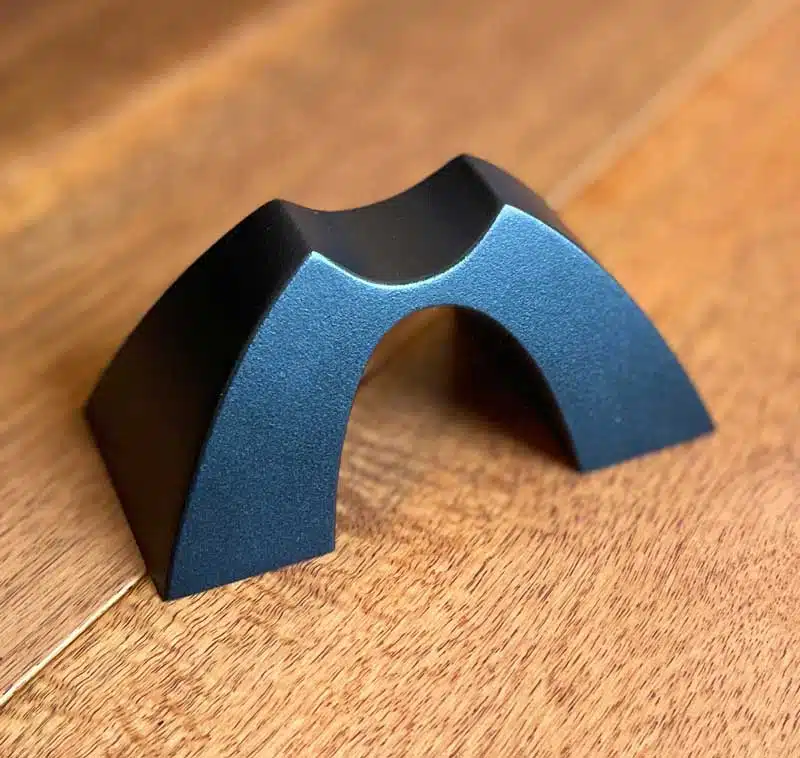
Speaker Cable Risers & Elevators for Clean Cable Routing and Consistent Spacing
Keep speaker cables off the floor to reduce contact interference, maintain consistent spacing, and improve cable routing across your system.
Shop Speaker Cable Risers Speaker Cable Risers & Elevators for Clean Cable Routing and Consistent Spacing
Keep speaker cables off the floor to reduce contact interference, maintain consistent spacing, and improve cable routing across your system.
Shop Speaker Cable Risers Built to keep cables elevated, evenly spaced, and consistently routed across your system.
What Are Speaker Cable Elevators?
Speaker cable elevators are supports designed to lift speaker cables off the floor while helping maintain a cleaner, more consistent routing path between audio components and speakers.
Often referred to as speaker cable risers, cable lifters, or cable supports, they are commonly used to improve cable organization, maintain consistent spacing, and create a more controlled system layout.
Cable Arch™ speaker cable elevators support speaker cables, power cables, and interconnects while helping reduce direct contact with flooring materials and keeping cable runs organized across the listening room.
For many systems, the primary benefit is not simply elevation, but creating a routing path that remains intentional, repeatable, and visually consistent from component to speaker.
Cable Arch™ speaker cable risers—also called cable elevators or cable lifters—keep speaker cables off the floor to reduce contact interference and maintain consistent spacing along the signal path.
Cable Arch™ speaker cable risers keep speaker cables off the floor so routing stays cleaner, spacing stays more consistent, and your system remains more controlled.
By reducing direct contact with flooring materials and keeping cable runs more evenly positioned, Cable Arch helps simplify cable layout without adding complexity to your setup.
For many systems, that means a cleaner path for speaker cables, power cables, and interconnects—while also supporting a more stable, intentional presentation throughout the room. For systems where cable layout matters, this can also support a more stable and consistent overall presentation.
Also referred to as cable lifters, cable supports, or speaker cable stands.
How Cable Elevation Supports Cleaner, More Controlled Sound
A More Stable Signal Path
Floor contact introduces variables that can affect consistency—especially across longer cable runs. Elevating cables helps maintain more uniform routing and spacing along the signal path.
Reduced Surface Interaction
Lifting cables off carpet, wood, and other flooring materials helps minimize variables such as static buildup and inconsistent contact.
Consistent Cable Spacing
Proper spacing prevents cables from bunching or crossing irregularly, supporting a cleaner and more controlled system layout.

Cable Arch™ Speaker Cable Elevator Dimensions
Cable Arch™ is designed with proportions that support typical speaker cable diameters while maintaining a low visual profile.
• Height: 2 in
• Width: 4.5 in
• Depth: 2.5 in
• Fits cables up to ~1.25 in diameter
No tools required—place and position as needed.
Trusted by audiophiles
Excellent build quality and a clean, functional design. Helped organize my system exactly how I wanted.
John
Choose Your Cable Arch™ Configuration
Choose from standard and dual-channel configurations designed for both simple and complex system layouts. All Cable Arch™ products are made to order and built for long-term use.



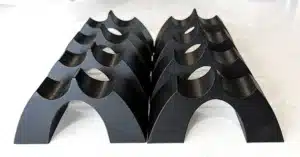

Each Cable Arch™ is made to order, with a standard lead time of approximately one week before shipping.
INSTALLATION
Place Cable Arch™ at desired intervals and rest cables on top to maintain spacing and routing.
CARE & MAINTENANCE
Wipe clean with a soft cloth. Avoid harsh solvents or abrasive cleaners.
Frequently Asked Questions
Speaker cable elevators are small supports used to lift speaker cables off the floor and help maintain a cleaner, more organized routing path across an audio system.
They help reduce floor contact, maintain consistent spacing, improve cable organization, and create a more controlled system layout.
Results can vary by system. Cable elevators are most useful for improving cable routing, reducing floor contact, and creating a more consistent layout. Some listeners also use them as part of a broader effort to reduce small environmental variables in a high-end audio system.
The number depends on cable length, cable weight, and room layout. Short runs may only need a few supports, while longer or heavier cable runs may benefit from more consistent spacing across the full route.
Cable Arch™ supports a single cable. Cable Arch™ Duo supports two cables within one structure, making it useful for paired speaker cable runs, bi-wire layouts, or parallel cable routing.
Yes. Cable Arch™ can support speaker cables, power cables, and interconnects, as long as the cable fits properly within the upper cradle.
Place supports at regular intervals along the cable path so the cable remains elevated, stable, and visually controlled from component to speaker.
Yes. Cable Arch™ products are designed, manufactured, and sold directly by Kevin Yarbough, with continuous production since 2010.
Learn More About Speaker Cable Routing
Whether you’re researching speaker cable elevators, comparing cable risers, or planning a cleaner system layout, these guides provide additional information and practical examples.
Speaker Cable Elevators: What They Are and How They Work
Learn what speaker cable elevators are, how they are used, and why many audiophiles incorporate them into cable management and system organization.
Do Cable Elevators Work?
A practical look at the theories behind cable elevators, common claims, and how many enthusiasts evaluate them in real-world systems.
Speaker Cable Routing Best Practices
Proper spacing prevents cables from bunching or crossing irregularly, supporting a cleaner and more controlled system layout.
Common Speaker Cable Routing Mistakes
See examples of excess cable loops, inconsistent routing paths, and other common installation issues that can affect system organization.
Speaker Cable Risers vs Cable Elevators
Explore the terminology used throughout the audio industry and learn why these terms are often used interchangeably.
Common Uses for Speaker Cable Elevators
Cable Arch™ speaker cable elevators help create cleaner, more consistent cable routing across a wide range of audio systems. Proper cable support can improve organization, maintain spacing, and provide a more controlled installation.
Long Speaker Cable Runs
Longer cable runs often benefit from consistent support spacing and a controlled routing path. Speaker cable elevators help maintain a cleaner, more organized installation from amplifier to speaker.
Bi-Wire Speaker Cables
Bi-wire speaker cables can create additional routing challenges due to multiple conductors traveling together. Consistent support helps maintain spacing and reduce cable clutter.
Floor-Standing Speaker Systems
Many floor-standing speaker installations require longer cable runs across open floor areas. Elevating cables can help create a more refined and intentional system layout.
Bookshelf Speaker Systems
Even shorter cable runs can benefit from improved routing control, especially when equipment racks and speakers are separated by furniture or room layout constraints.
Power Cable Organization
Many users also employ cable supports for power cables where maintaining consistent routing and separation is desired.
Interconnect Routing
Interconnect cables can also be routed using the same principles of controlled spacing and consistent cable geometry.